5
Sunset of the Ants
Karıncaların Günbatımı
by Zaven Biberyan
co-adapted for the stage by Leyla Levi and Asli Ekici, in progress
Two actors and a chorus of body puppets bring to life an Armenian family portrait from 1940s Istanbul, exploring the grief of dispossession in the shadow of ongoing erasure.
This stage adaptation of Zaven Biberyan's 1970 novel asks: can a brother and sister find each other across generations of silence?
- photographs
- Photographer not yet credited.
- team
- Director and Co-adapter Leyla Levi
- Co-adapter Asli Ekici
- Scenographer and Puppet Designer Yagiz Kucukemre
- Choreography Maral Ceranoglu
- Sound Designer Rubar Dindar
- Visual Designer Gumrah Sengun
- Executive Producer Elif Ozge Maltepe
“They were not at ease without catastrophe. Something was missing from their lives. They were waiting for something. Because they could not imagine an endless, uneventful life without catastrophe. Ten years was too long.”
Proposal
Sunset of the Ants (Karıncaların Günbatımı) is a stage adaptation of a 1970 novel by Turkish-Armenian writer Zaven Biberyan that tells the story of the descent of an Armenian family in 1940s Istanbul, in the wake of assimilationist policies by the newly established Turkish state toward non-Muslim minorities.
During this foundational period, when the acceptable nationalistic boundaries of Turkishness were being drawn, the Greeks, Armenians, and Jews remaining in Turkey were subjected to specific wartime taxes that aimed to change the hands of capital to Turks (the Wealth Tax of 1942) and pogroms (like that of 6–7 September 1955). Lesser known than these two instances of state violence are the labor battalions of 1940, called "Nafıa Service," which enlisted non-Muslim men for manual labor in rural areas around the country under the pretense of building roads in the newly industrializing nation. In reality, this was another measure to deal a financial and psychological blow to these minority communities, removing young non-Muslim men from the workforce at a critical time.
Sunset of the Ants opens with 24-year-old Baret returning home to Istanbul after 3.5 years of service in these labor battalions, only to find that his family has lost their house and all their possessions to the 1942 Wealth Tax. We watch Baret struggle to adjust to city life, running away again and again — from family, from community, and eventually from the city itself — in an effort to distance himself from the shame and petty dealings of his community, while his sister remains at home, caring for an increasingly paranoid mother.
What damage is done to our most intimate relationships — with family, siblings, spouses, community members — in the face of unnamed state violence? And how, when state-perpetrated atrocities remain denied, do the affected communities, in turn, pass that unspoken grief down through the generations that follow?
I embarked on this project while tracing the silences that plague my own family as a Turkish Jew, shaped by similar assimilationist policies over the last four generations. In our stage adaptation, we place the son and daughter of the family at the center, surrounding them with a puppet chorus of their parents and other family members, and ask whether brother and sister will be able to reach out to each other in care and solidarity, even as the grief, rage, and silence around them threatens to disconnect and isolate them.
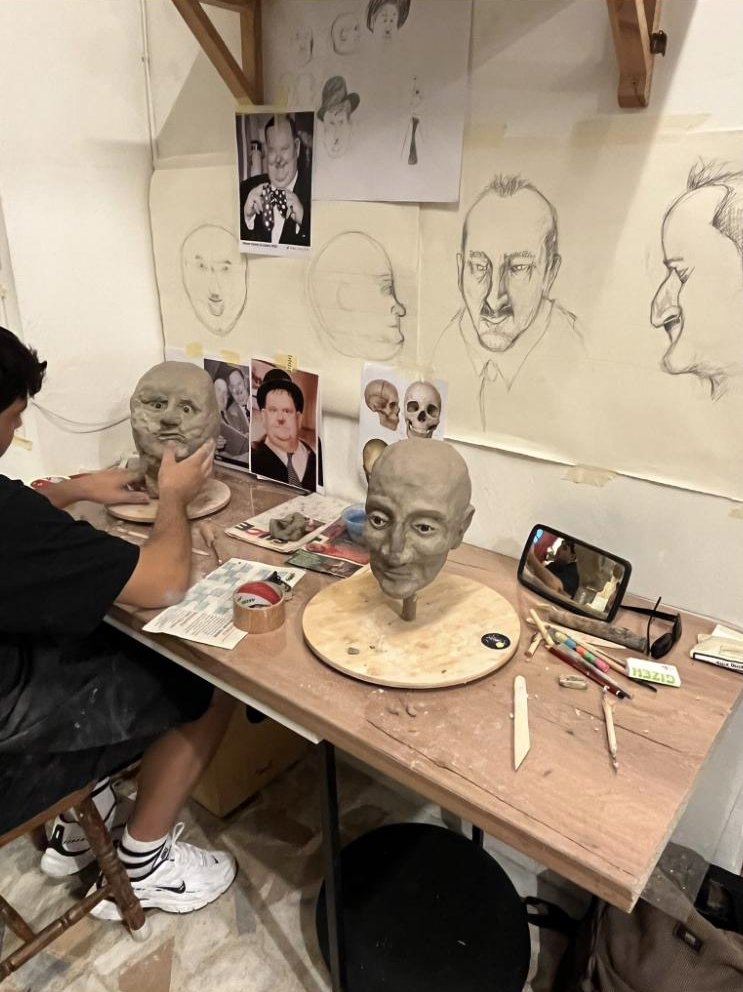
From Sketch to Puppet
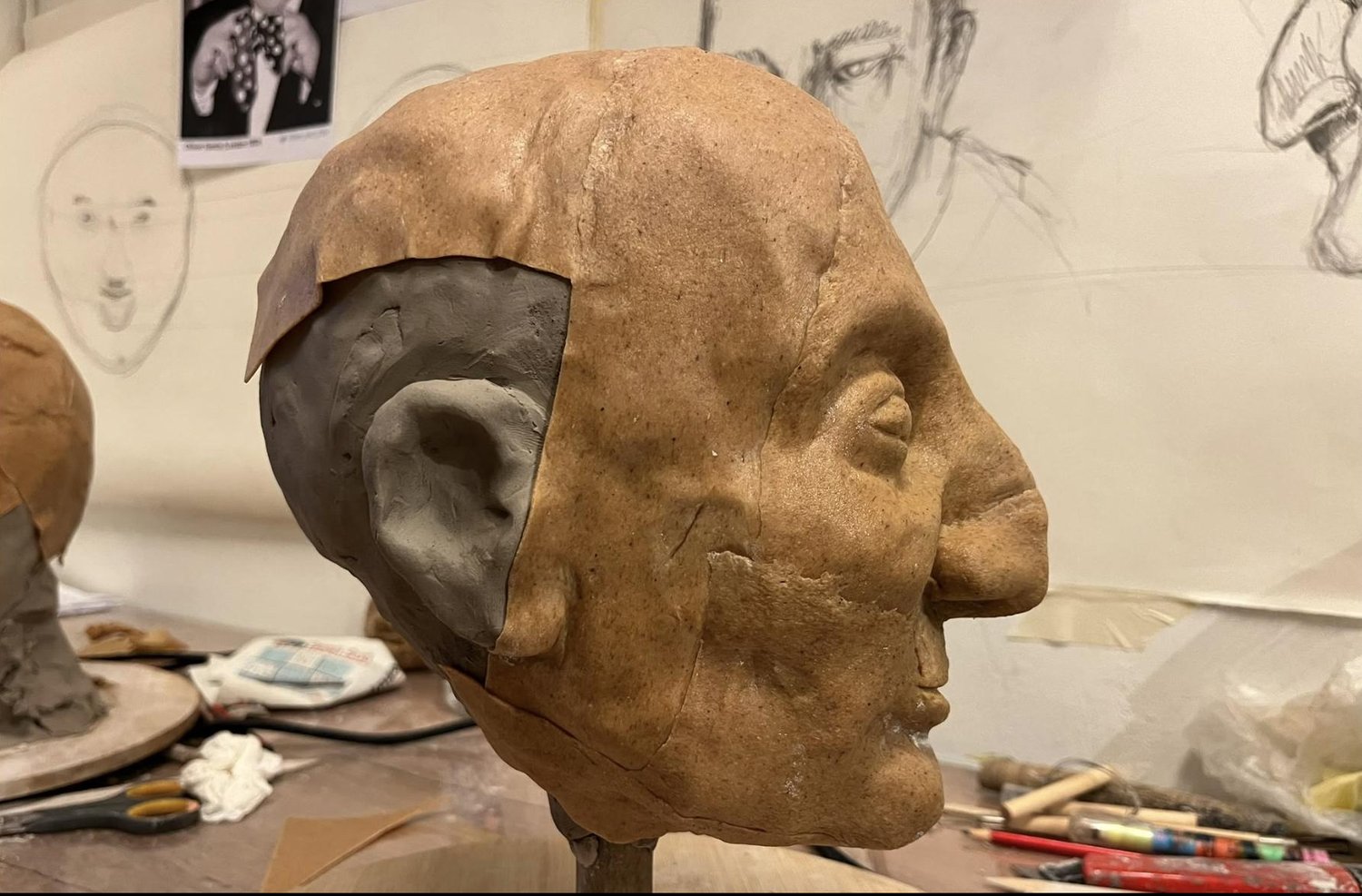
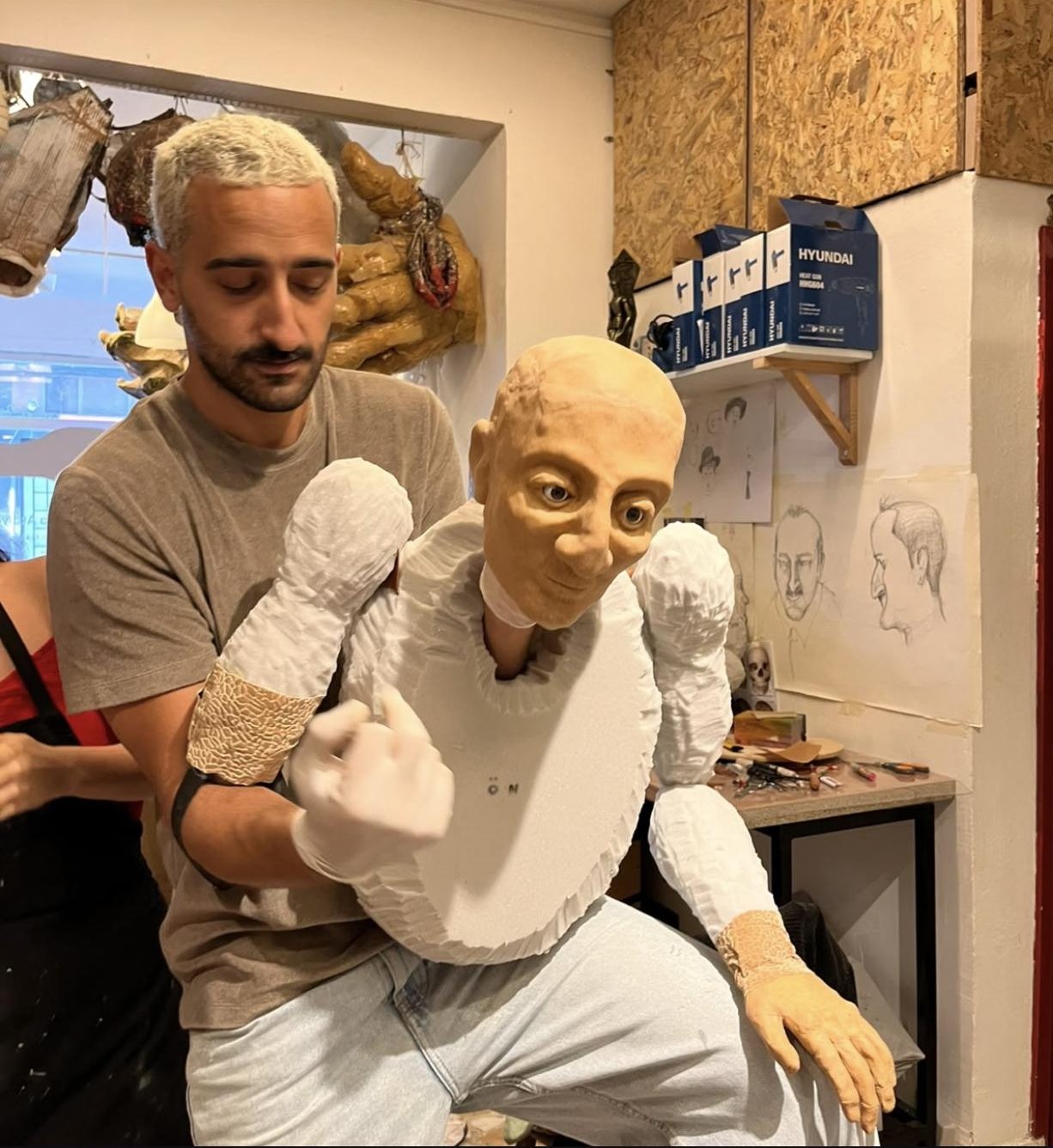
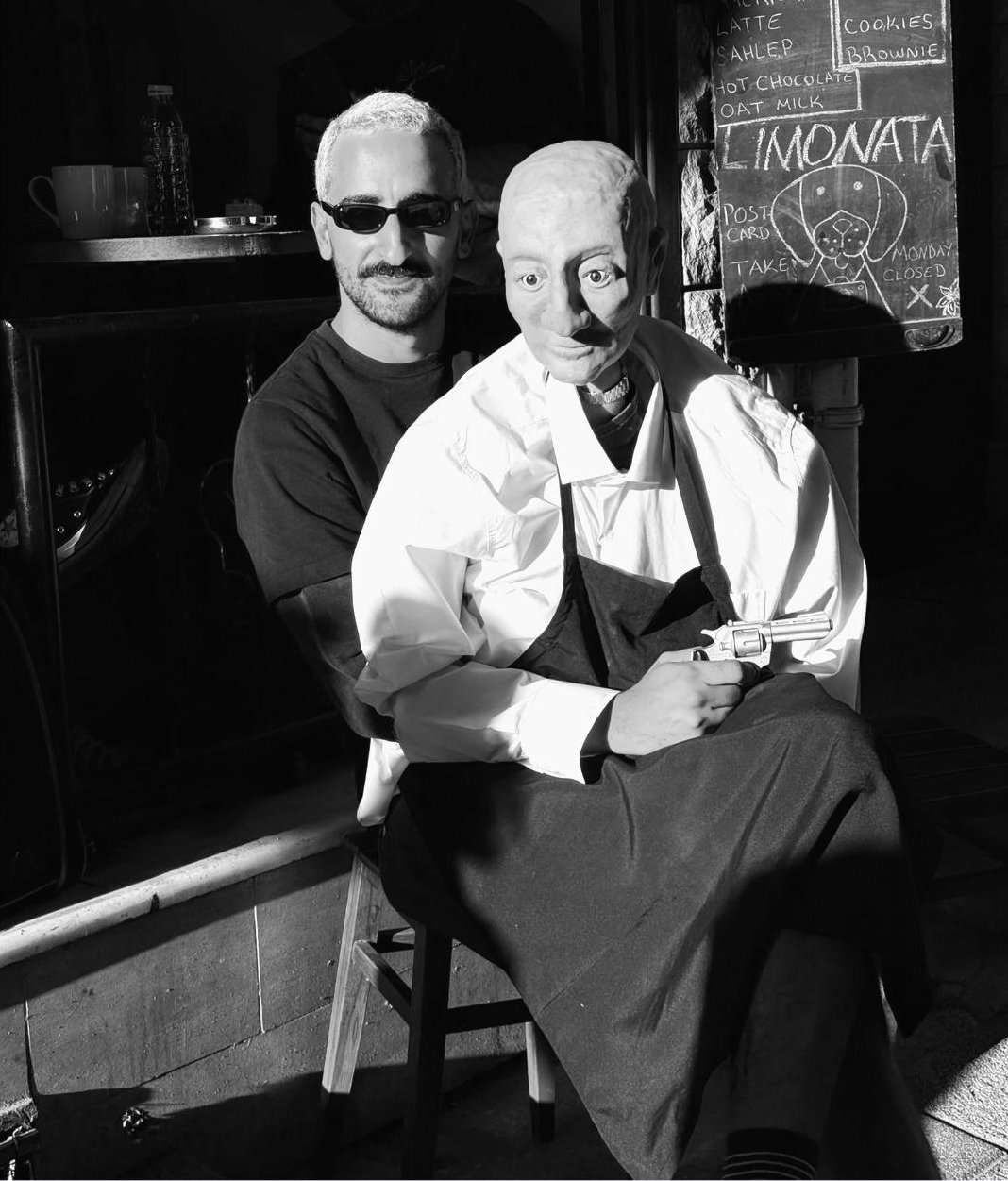
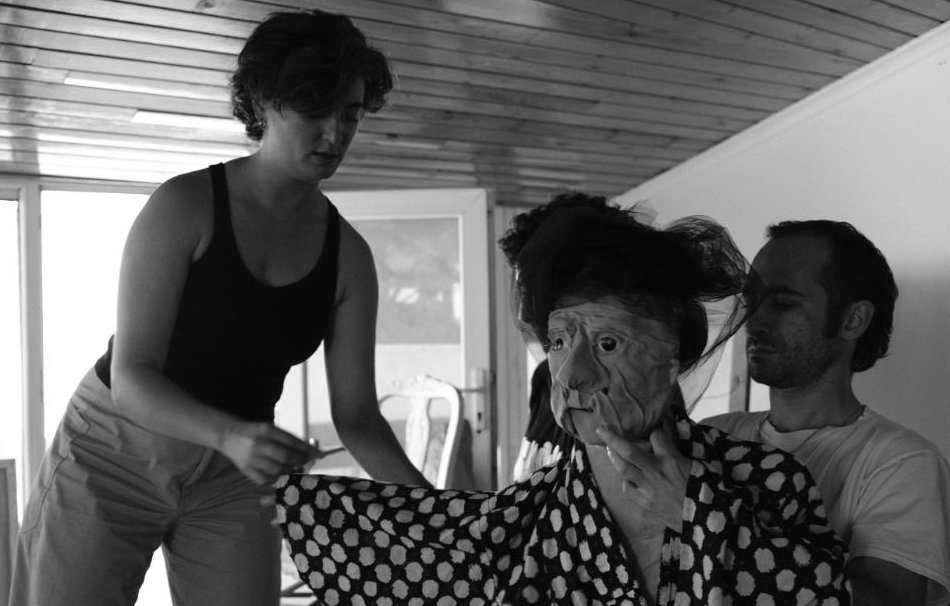
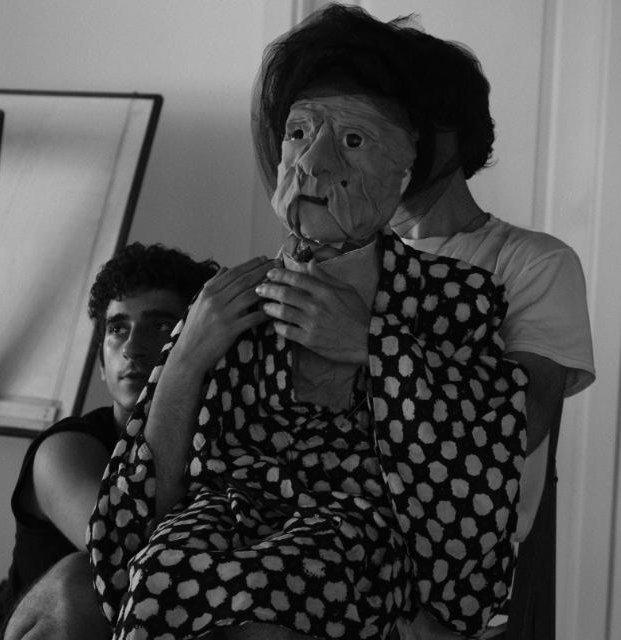
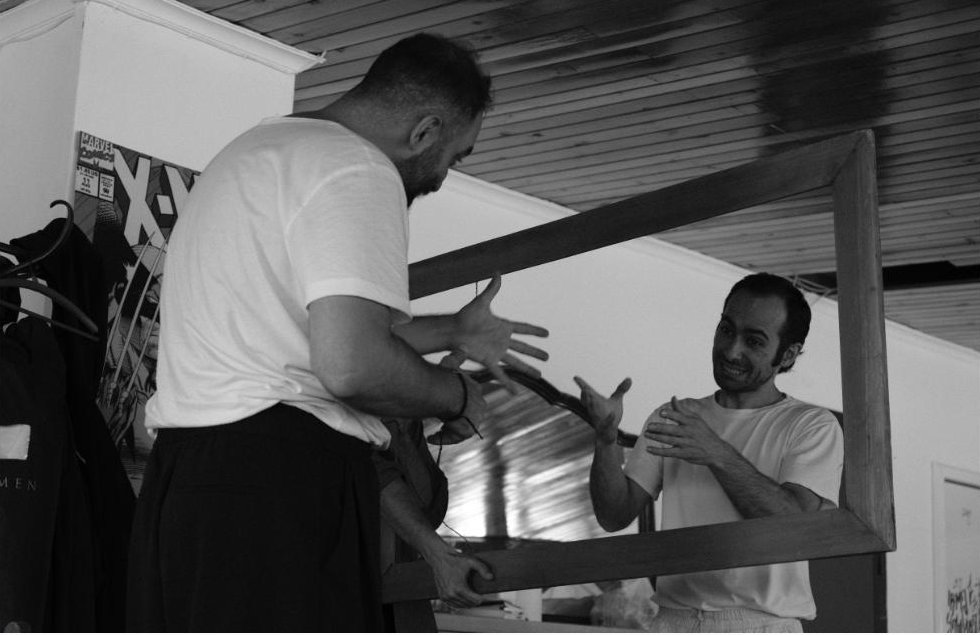
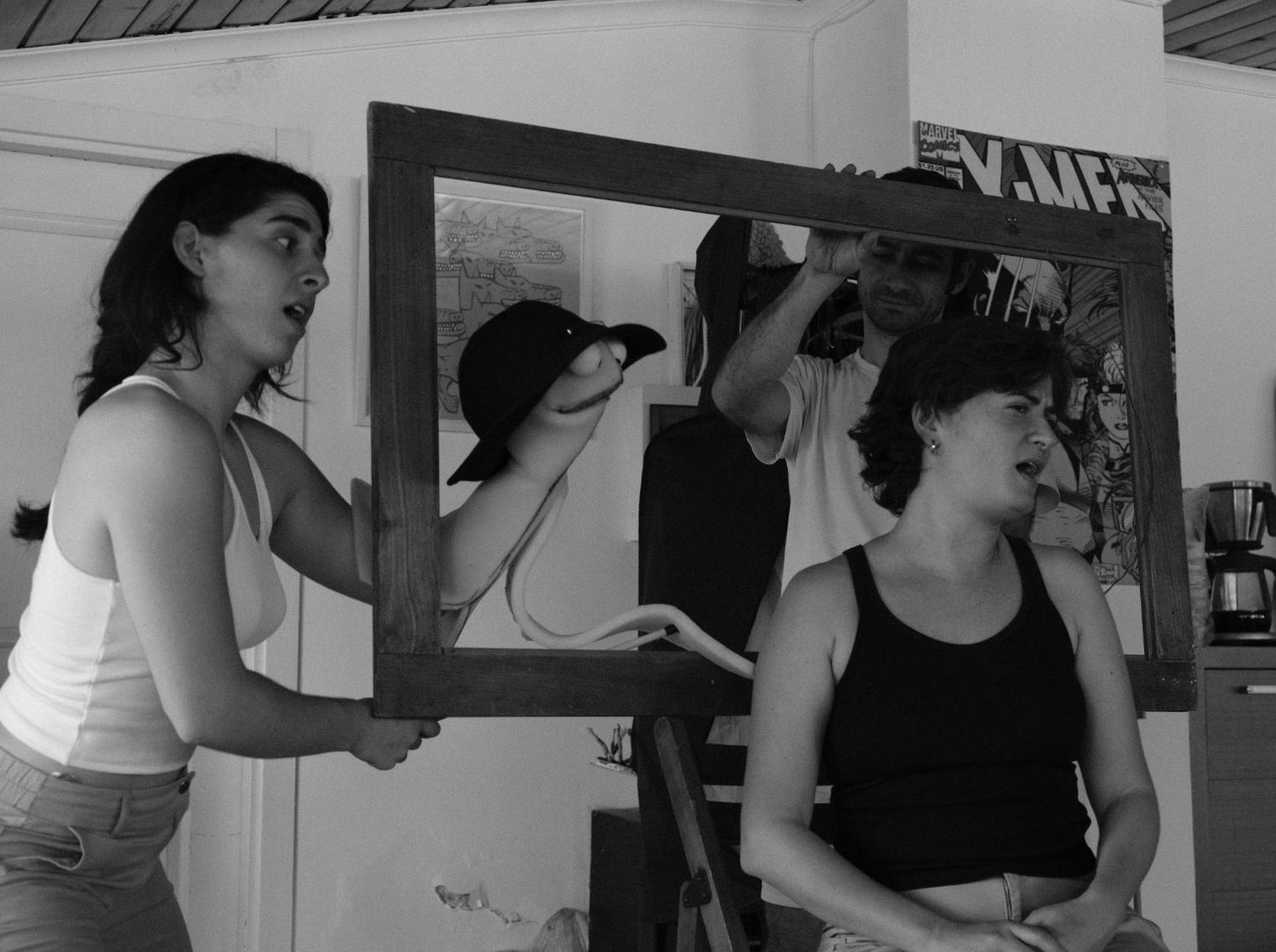
Trying body puppetry mechanics and designs for the older characters in the play. The mother, father and uncles will be represented by such puppets, operated by a chorus of puppeteers.
Zaven Biberyan
Zaven Biberyan was born in 1921 in Çengelköy, Istanbul, and educated at Armenian schools before conscription into labor battalions in 1941.
Back in journalism, his provocative Jamanak series "The End of Christianity" got shut down and his socialist views later cost him his editorial post. Imprisoned in 1946, he emigrated to Beirut in 1949, only to return to Istanbul in 1953. He founded the magazine Nor Tar (1964, short-lived), joined the Meydan Larousse editorial board, ran for parliament in 1965, and served on Istanbul's Municipal Council from 1968.
He died in 1984, buried at Şişli Armenian Cemetery. His masterpiece, Sunset of the Ants (Karıncaların Günbatımı), remains his best-known work.